Open media network · Ongoing project
Myco
An open discovery network that helps independent music, video, art, photography, writing, and more travel beyond the websites where they were published—without taking ownership away from their creators.
Product tour
Inside Myco
The idea
Independent creators already have places to publish. The harder problem is discovery. Personal sites preserve control and identity, but they do not naturally behave like a connected media network. Large platforms solve distribution by pulling the work—and the audience—inside their walls.
Myco explores a third path: keep the original work on its creator’s site, then add a shared layer that can understand, organize, and surface it across the web.
What I built
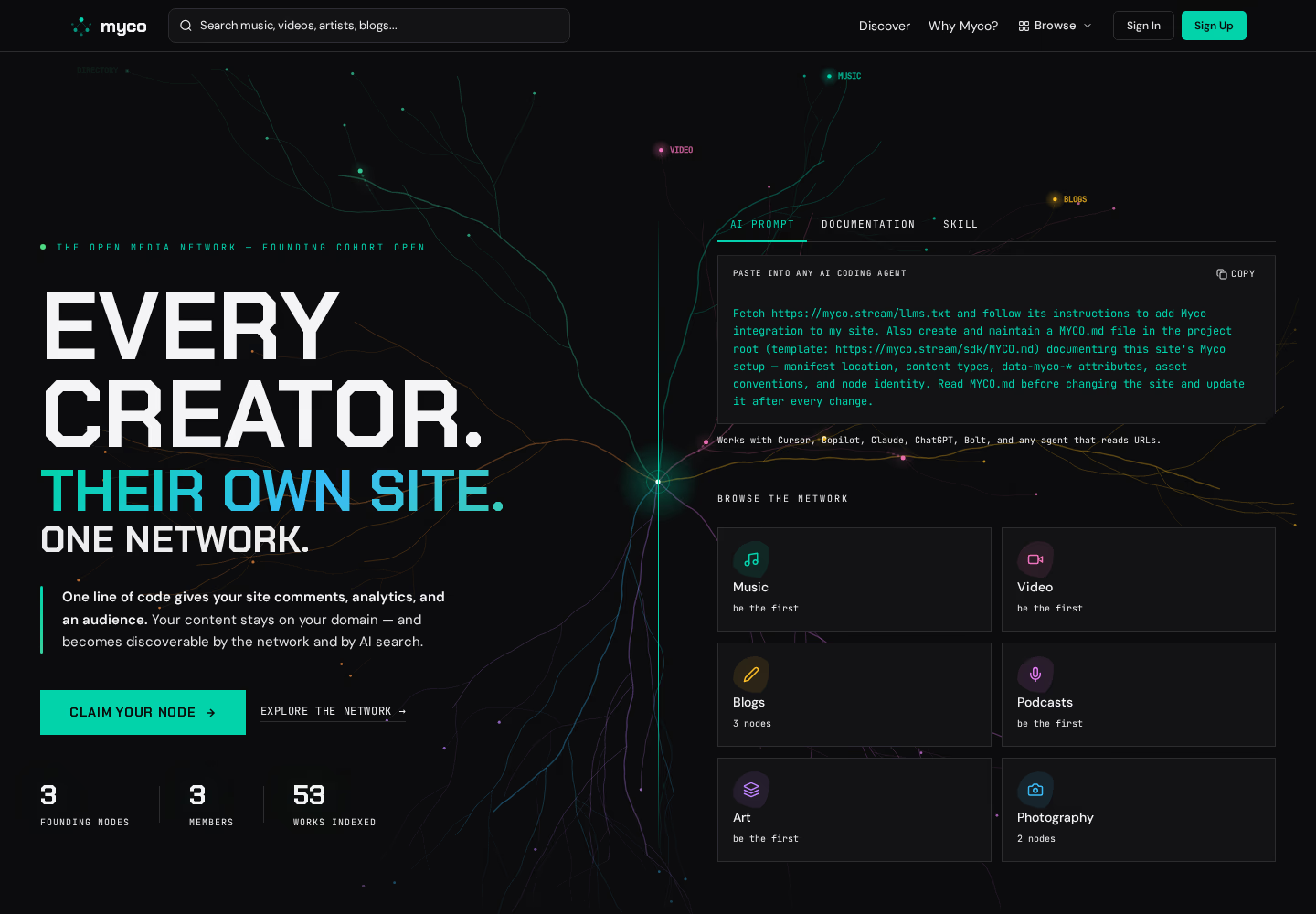
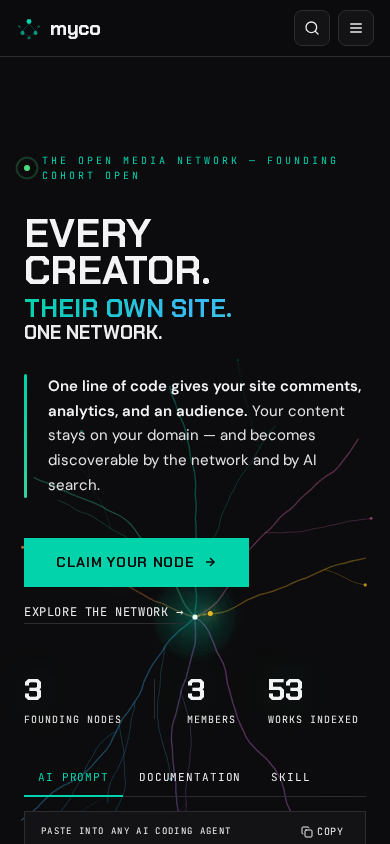
The product combines a multi-format media browser with creator and domain profiles, search, collections, individual release pages, and a guided installation flow for publishers. Sites describe their content through a machine-readable manifest; Myco turns that distributed metadata into a coherent place to explore.
One network, many formats
Music, video, writing, art, photography, news, podcasts, and local directories live in one discovery layer without being flattened into the same kind of content.
Creator-owned publishing
Myco indexes work from independent sites, helping creators remain rooted in their own domains instead of requiring every piece of media to be republished into a closed platform.
A lightweight integration
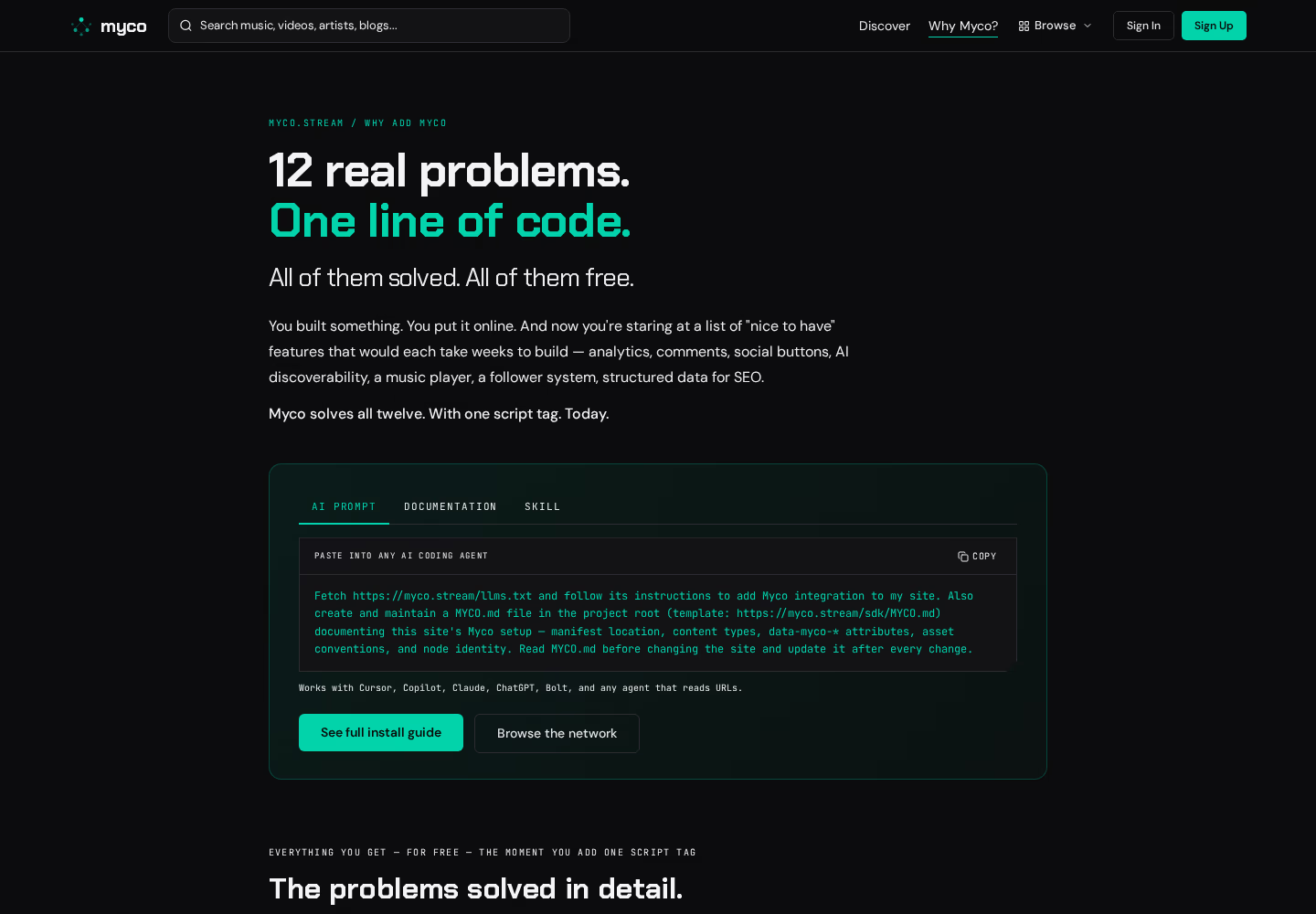
A manifest, a script tag, and a few data attributes connect an existing site to discovery, social features, analytics, and structured metadata.
Human-centered discovery
Browsing by medium, search, collections, creator pages, and individual release pages create several paths into the network beyond a single algorithmic feed.
The product challenge
Supporting several media types creates a useful tension: each format needs its own vocabulary and presentation, while the network still has to feel like one product. An album is not an article, a photo gallery is not a business listing, and a podcast is not a video. The interface gives each medium room for the information that matters while keeping navigation, identity, and discovery consistent.
How it works
- A publisher adds a
myco.jsonmanifest describing the site and its media. - Myco indexes that structured content into the appropriate discovery channels.
- An optional client script adds network features to the publisher’s existing pages.
- Visitors can move between the network and the creator’s original site, where the work remains at home.
Where it stands
Myco is live and actively evolving. The current foundation covers discovery, browsing across media types, search, creator and content pages, publisher onboarding, collections, and account tools. The next rounds of this case study will get more specific about the origin story, architecture, design decisions, hard tradeoffs, and what I learned while building it.